
Keratin treatments by hair type
Choose by texture, color and hair history. Original covers fine straight-to-wavy hair, Forte covers finer curls up to Tight curls (3c), and Gold Label is the company’s recommendation for coarse, thick hair up to Tight coils (4c).

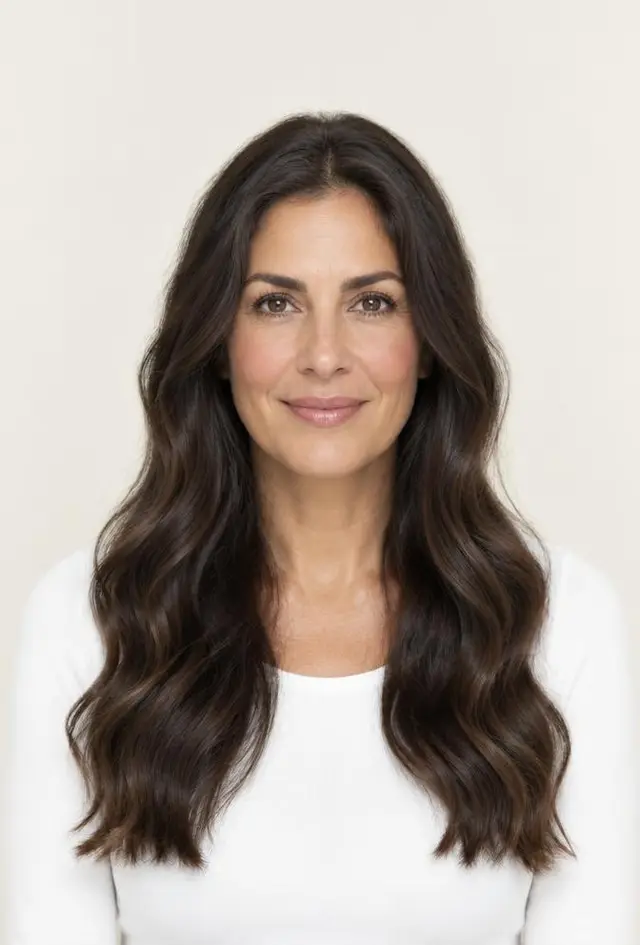
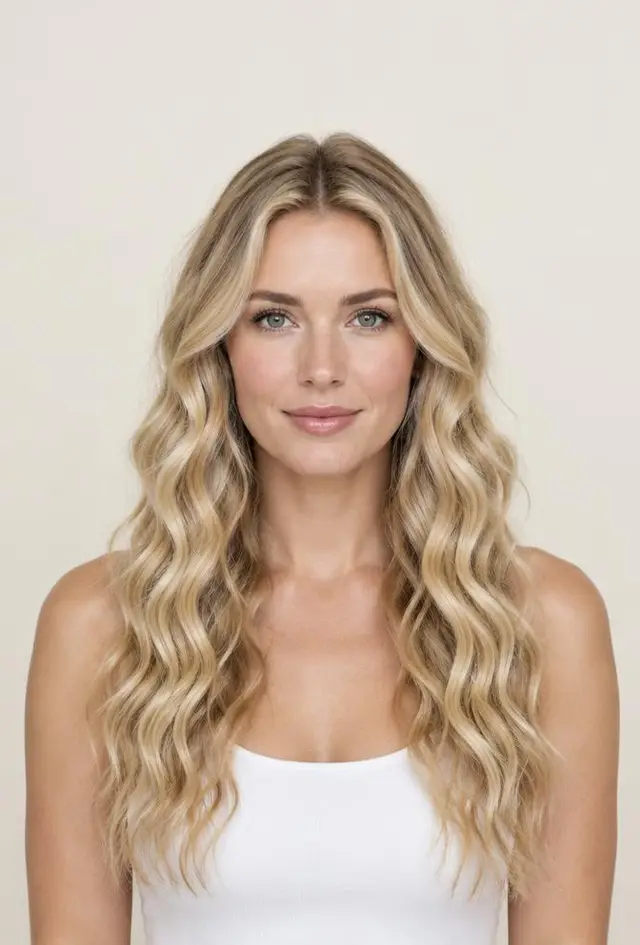
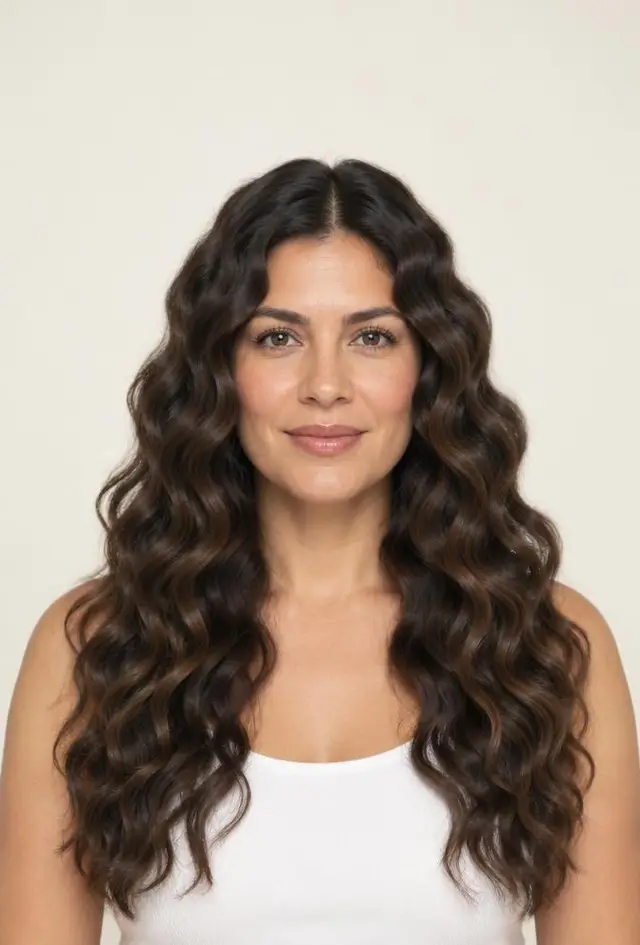
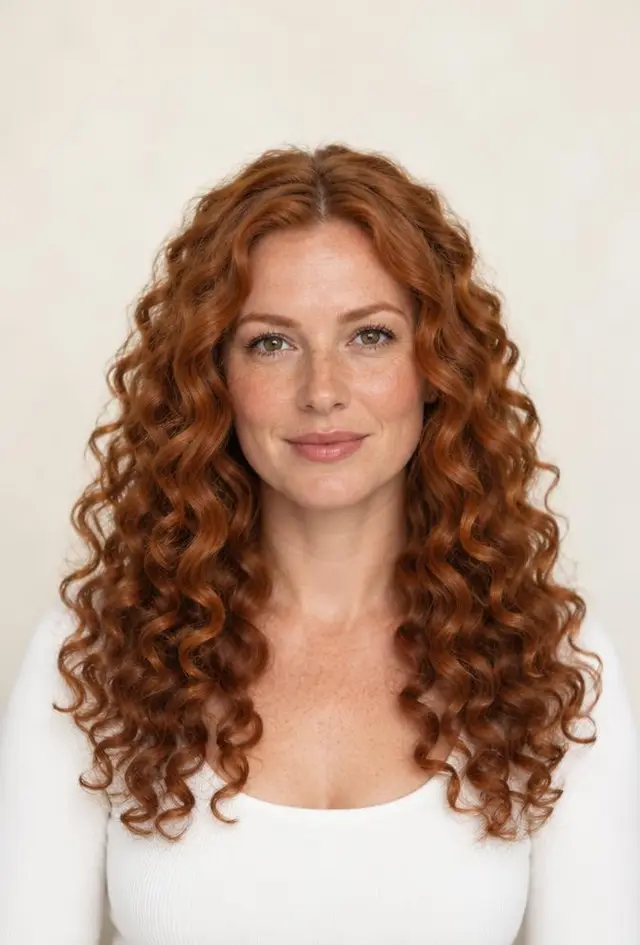
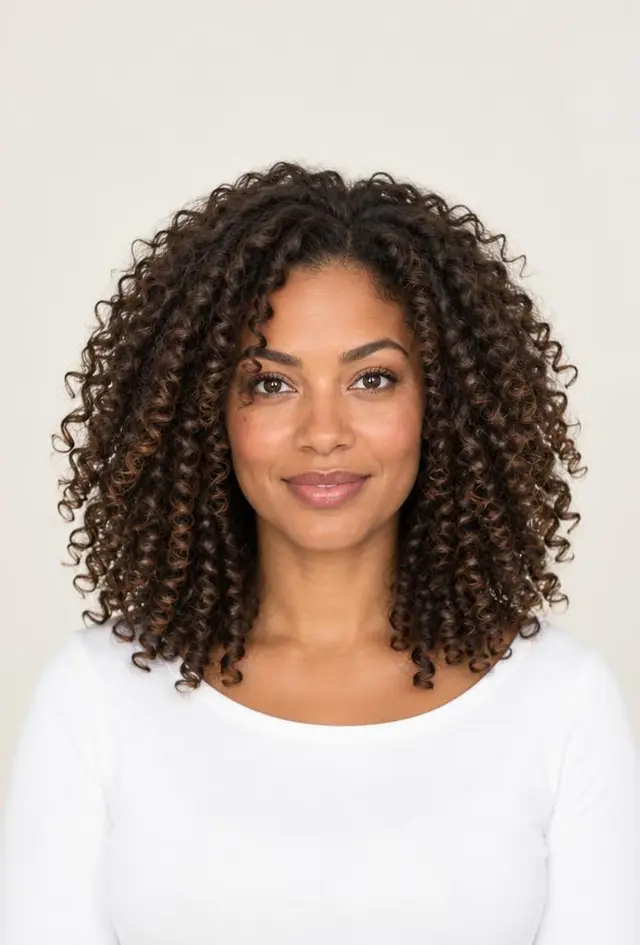
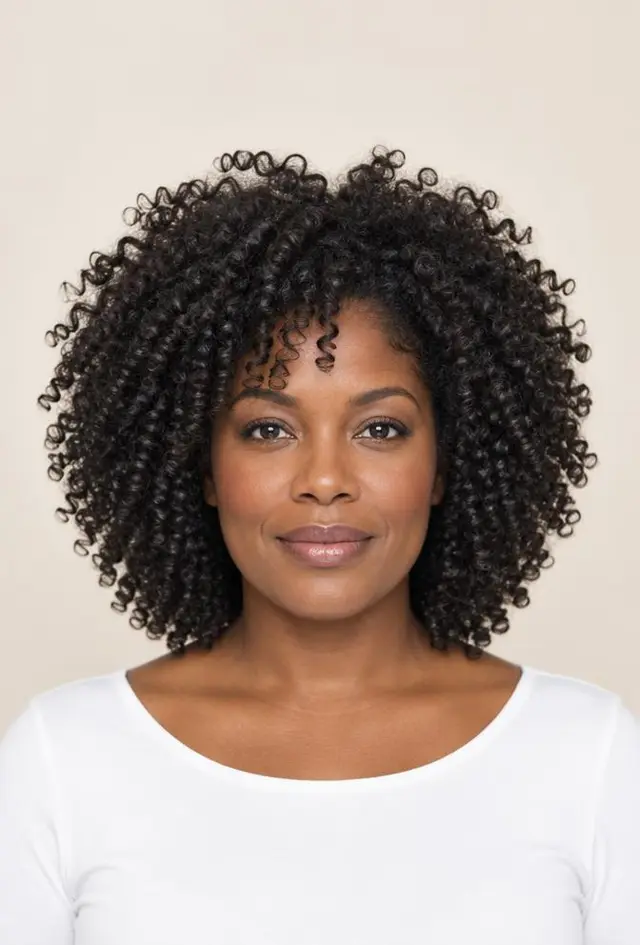
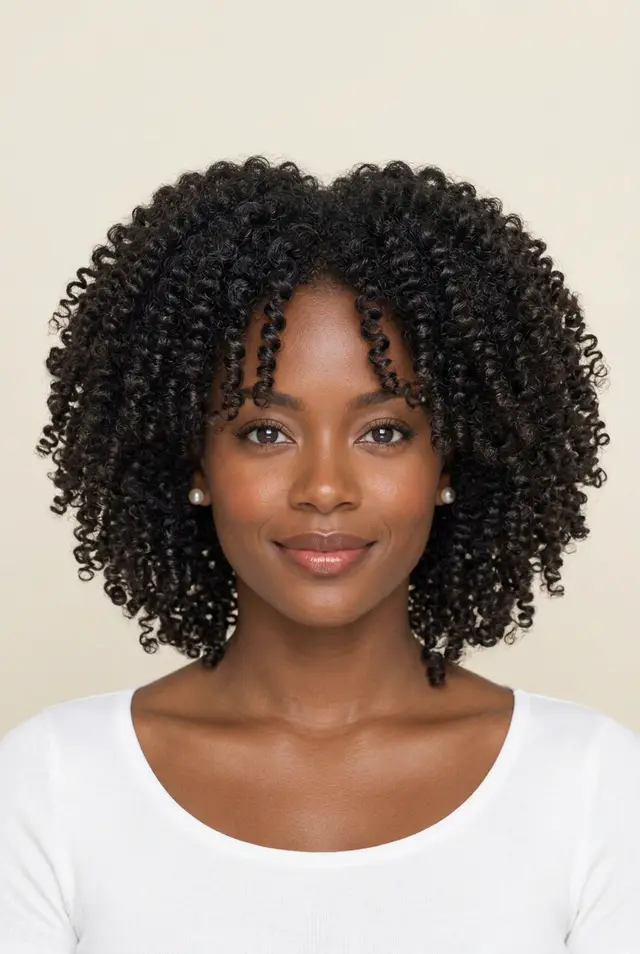
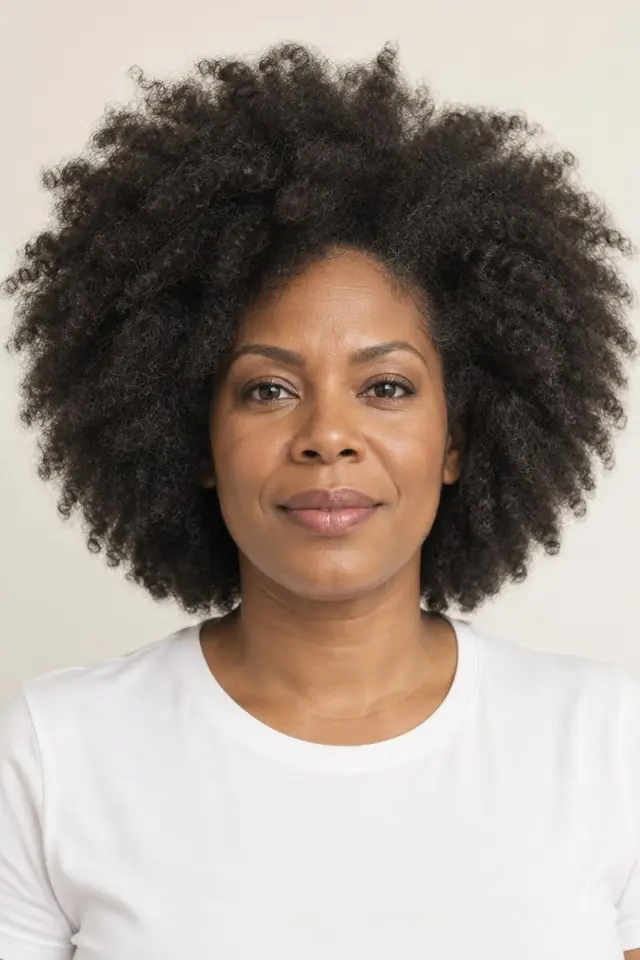
Hair textures shown are illustrations.
Keratin treatment for 1 hair (straight)
On straight hair, a keratin treatment is about smoothness, shine and less frizz rather than straightening.
Keratin treatment for 2a hair (soft waves)
Keratin Research recommends Original for 2a.
Keratin treatment for 2b hair (beach waves)
Original is Keratin Research's recommendation for 2b.
Keratin treatment for 2c hair (deep waves)
Original covers up to 2c and is Keratin Research's starting point.
Keratin treatment for 3a hair (loose curls)
Keratin Research recommends Forte for 3a.
Keratin treatment for 3b hair (springy curls)
Forte is Keratin Research's recommendation for 3b.
Keratin treatment for 3c hair (tight curls)
For 3c, Keratin Research recommends Forte if your strands are fine, and Gold Label for coarse or thick 3c hair, or hair that hasn’t been treated in over a year.
Keratin treatment for 4a hair (soft coils)
Keratin Research recommends Gold Label for all 4a–4c hair.
Keratin treatment for 4b hair (zig-zag coils)
Gold Label is Keratin Research's recommendation for 4b.
Keratin treatment for 4c hair (tight coils)
Gold Label is Keratin Research's recommendation for 4c.
Keratin treatment for coarse, curly hair
For coarse curls from 3a to 3c, Keratin Research recommends Forte, or Gold Label if the hair is very thick or hasn’t been treated in over a year.
Keratin treatment for coily hair (4a–4c)
Keratin Research recommends Gold Label for coily hair (4a–4c).
Keratin treatment for thick wavy and curly hair (2c–3c)
Choose by texture: Original for 2c waves, Forte for fine 3a–3c curls, and Gold Label for coarse or thick 3c curls.
Keratin treatment for thick, frizzy hair
For coarse or thick curls, Keratin Research recommends Gold Label; for finer 3a–3c curls, Forte.
Keratin treatment for fine hair
Original is the starting point for fine, straight to wavy hair (up to 2c).
Keratin treatment for bleached and blonde hair
Keratin Research recommends Inverto 60 for Blonde Hair: the same formaldehyde-free formula as Inverto 60, with a blue pigment that counters yellowing during flat ironing.
Keratin treatment for color-treated hair
Keratin Research recommends Inverto 60 for Blonde Hair for blonde, red or highlighted hair, and Inverto One for any color up to 3c.
Keratin treatment for men
Men can use a keratin treatment if their hair is long enough to apply the product.
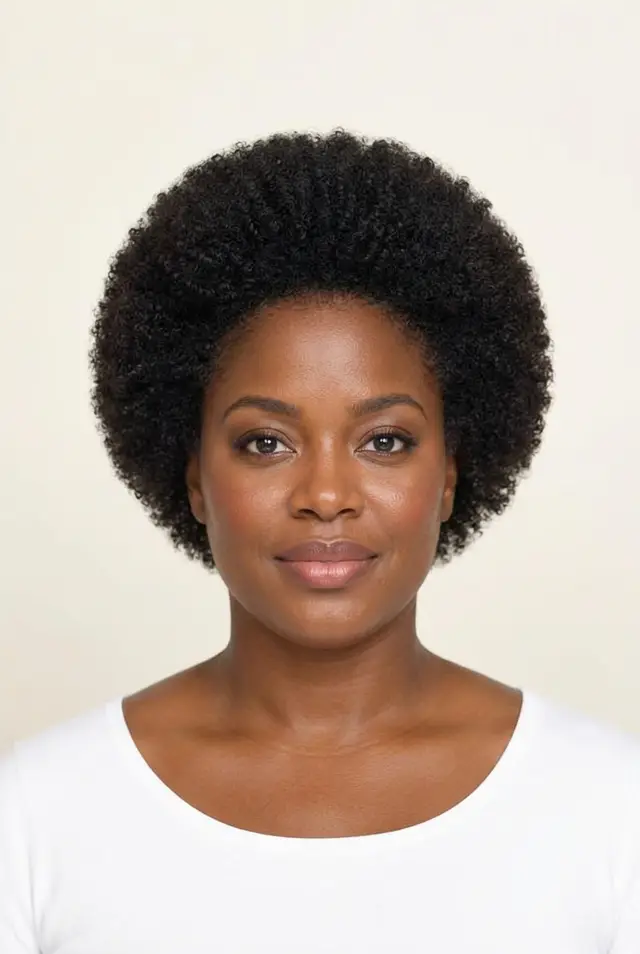
Keratin treatment for Black hair: which formula should you use?
Black hair ranges from wavy 2c to tightly coiled 4c, so choose a keratin treatment by curl type. For coily 4a–4c hair, Gold Label Keratin is designed for your hair and is our strongest straightening formula. For curly 3a–3c hair, use Keratin Forte with Argan Oil. For waves up to 2c, use Original.
Keratin treatment for Dominican and Latina hair: which formula?
Dominican and Latina hair ranges from straight and wavy to tight curls and coils, so choose your keratin treatment by curl type. Original is designed for frizzy, wavy hair up to 2c, Forte for curls from 3a to 3c, and Gold Label, our strongest straightening formula, for coils from 4a to 4c.
Find your match
| Formula | Hair-type range | Best for | Formaldehyde-free |
|---|---|---|---|
| Original | Straight (1) – Deep waves (2c) | Original straightens, smooths and conditions hair up to Deep waves (2c), leaving it soft with natural shine. | No |
| Forte | Loose curls (3a) – Tight curls (3c) | Forte builds on Original to straighten curly and coarse hair, from Loose curls (3a) to Tight curls (3c). | No |
| Gold Label | Soft coils (4a) – Tight coils (4c) | Our strongest formula. Works on any curl type; designed for 4a–4c. Its oil blend supports moisture during heat styling. | No |
| Inverto One | Straight (1) – Tight curls (3c) | An at-home treatment with penetrating amino acids for smooth, soft, shiny hair. Published guidance covers all hair colors and hair types up to Tight curls (3c). | Yes |
| Inverto 60 | Straight (1) – Tight curls (3c) | A protein- and amino-acid treatment for dry or bleached hair, best for 1–3c. For blonde, red or colored hair use Inverto 60 for Blonde Hair. Iron over the product for the straightest formaldehyde-free result. | Yes |
| Inverto 60 for Blonde Hair | Straight (1) – Tight curls (3c) | Inverto 60 with blue pigment to counter yellowing of blonde, red and colored hair during flat ironing. Straightens hair up to Tight curls (3c) comfortably. Use the instructions for this specific formula. | Yes |
| Treat Wash N' Go | Straight (1) – Tight curls (3c) | The original Inverto treatment uses proteins and amino acids for smooth, conditioned hair up to Tight curls (3c). Blow-dry and flat iron with the product on the hair, following its label. | Yes |
-
Original
- Hair-type range
- Straight (1) – Deep waves (2c)
- Best for
- Original straightens, smooths and conditions hair up to Deep waves (2c), leaving it soft with natural shine.
- Formaldehyde-free
- No
-
Forte
- Hair-type range
- Loose curls (3a) – Tight curls (3c)
- Best for
- Forte builds on Original to straighten curly and coarse hair, from Loose curls (3a) to Tight curls (3c).
- Formaldehyde-free
- No
-
Gold Label
- Hair-type range
- Soft coils (4a) – Tight coils (4c)
- Best for
- Our strongest formula. Works on any curl type; designed for 4a–4c. Its oil blend supports moisture during heat styling.
- Formaldehyde-free
- No
-
Inverto One
- Hair-type range
- Straight (1) – Tight curls (3c)
- Best for
- An at-home treatment with penetrating amino acids for smooth, soft, shiny hair. Published guidance covers all hair colors and hair types up to Tight curls (3c).
- Formaldehyde-free
- Yes
-
Inverto 60
- Hair-type range
- Straight (1) – Tight curls (3c)
- Best for
- A protein- and amino-acid treatment for dry or bleached hair, best for 1–3c. For blonde, red or colored hair use Inverto 60 for Blonde Hair. Iron over the product for the straightest formaldehyde-free result.
- Formaldehyde-free
- Yes
-
Inverto 60 for Blonde Hair
- Hair-type range
- Straight (1) – Tight curls (3c)
- Best for
- Inverto 60 with blue pigment to counter yellowing of blonde, red and colored hair during flat ironing. Straightens hair up to Tight curls (3c) comfortably. Use the instructions for this specific formula.
- Formaldehyde-free
- Yes
-
Treat Wash N' Go
- Hair-type range
- Straight (1) – Tight curls (3c)
- Best for
- The original Inverto treatment uses proteins and amino acids for smooth, conditioned hair up to Tight curls (3c). Blow-dry and flat iron with the product on the hair, following its label.
- Formaldehyde-free
- Yes
Compare your options
Your questions, answered.
Should I color my hair before or after a keratin treatment?
Keratin Research recommends the following coloring timings around a keratin treatment. Dark root touch-ups and dark color over natural dark hair: 1 day before or 3 days after. Bleaching: 5–7 days before. Highlights, any color over gray, and blonde or red regrowth: 3 days after. Heat can shift color slightly, so coloring after is generally best. Follow your color professional’s guidance.
Is a keratin treatment the same as a relaxer?
No. A Keratin Research keratin treatment smooths and conditions hair; a relaxer chemically weakens hair.
Can I use a keratin treatment on relaxed, colored or chemically treated hair?
Keratin Research keratin treatments can be used on relaxed, colored or chemically treated hair as long as the hair is not too weak. After previous Japanese straightening, ask a professional first.